
If you want the most complete modern FromSoftware experience – where open world, boss design and build freedom all click – Elden Ring (2022) is still the obvious first pick. If instead you want pure “bottled Souls” with tighter levels and iconic bosses, Dark Souls (2011) and Bloodborne (2015) are still unmatched. And if you want maximum mechanical sharpness in a more stripped-down action format, Sekiro: Shadows Die Twice (2019) is the game where you really test your reflexes – without hiding behind stats.
FromSoftware has gone from cult studio to one of the most influential forces in the entire games industry. “Soulslike” is now its own genre, but what makes FromSoft unique isn’t just the difficulty – it’s the way they weave together world design, combat, builds and hidden lore into a package that feels as much like mythology as an action game. The only question is where you should start in 2026. Should you dive into Elden Ring’s open world? Take the classic route via Lordran? Or go straight into gothic horror with Bloodborne?
In this guide we rank the 10 most relevant FromSoftware games to play today – both old and new. The focus is on how they play now: controls, pacing, boss design, build depth, online systems and how well they introduce you to “From-thinking”.
| Rank | Game | Best for | Why |
|---|---|---|---|
| #1 | Elden Ring (2022) | Open world + builds | Combines Souls design with freedom and enormous build depth |
| #2 | Dark Souls (2011) | Classic “Souls core” | Lordran is still the series’ best interwoven world |
| #3 | Bloodborne (2015) | Aggressive gothic horror | Fast combat, unique aesthetic and tighter focus |
| #4 | Sekiro: Shadows Die Twice (2019) | Pure dueling action | Parry-focused combat with incredible feel |
| #5 | Dark Souls III (2016) | High-speed Souls | The most polished “classic” Souls loop |
| #6 | Demon’s Souls (2009) | The origin of Souls | Modular worlds, raw aesthetics and iconic ideas |
| #7 | Armored Core VI: Fires of Rubicon (2023) | Mech building + From bosses | Souls mentality in high-speed mecha action |
| #8 | Dark Souls II (2014) | Build experimentation | Idiosyncratic world, wobbly balance – but extreme variety |
| #9 | Demon’s Souls (remake, 2020) | Souls in a “next-gen” suit | PS5 take on the original with incredible graphics |
| #10 | King’s Field IV: The Ancient City (2001) | Pre-Souls history | The seed of FromSoft’s dark dungeon design |
What actually determines whether a FromSoftware game holds up today
With FromSoftware games, the answer is rarely just “is it hard?”. What decides whether a game holds up in 2026 is how well it balances four layers: world structure, combat system, build depth and friction.
World structure: Lordran, Yharnam and the Lands Between are all examples of how FromSoftware uses geography as storytelling. In Dark Souls the world is a vertical spiral where shortcuts bind everything together. In Elden Ring the world is sprawling, but the best areas still feel like hand-crafted labyrinths. Games where the world is just a sequence of corridors (some parts of DS2) often age worse than those where the map itself is a puzzle.
Combat system: every game lands on a different point in the triangle between positioning, timing and resource management. Dark Souls is heavy and methodical, Sekiro is pure timing, Bloodborne punishes defensive passivity. A game that still holds up today does so because its combat has clear readability: you see what’s happening, you can learn patterns, and when you die it (usually) feels like your fault.
Build depth: in the Souls games, a lot comes down to how fun it is to come back with a different build. Here Elden Ring, Dark Souls, DS3 and DS2 really shine – the amount of weapons, spells and “weird tech” gives huge longevity. Sekiro goes the opposite route: almost no build variation, but a much higher ceiling in pure skill. Both approaches work, but it’s important to know what you’re looking for.
Friction: FromSoftware walks a thin line between “challenging” and “needlessly annoying”. Checkpoints, run-backs to bosses, how easy it is to respec or find key gear – all of this affects how good a game feels to play in 2026. Elden Ring and DS3 make many smart modernisations here, while e.g. Demon’s Souls and King’s Field demand considerably more patience.
With that in mind – here’s the top list.
#1 Elden Ring (2022)
#1
Elden Ring (2022)
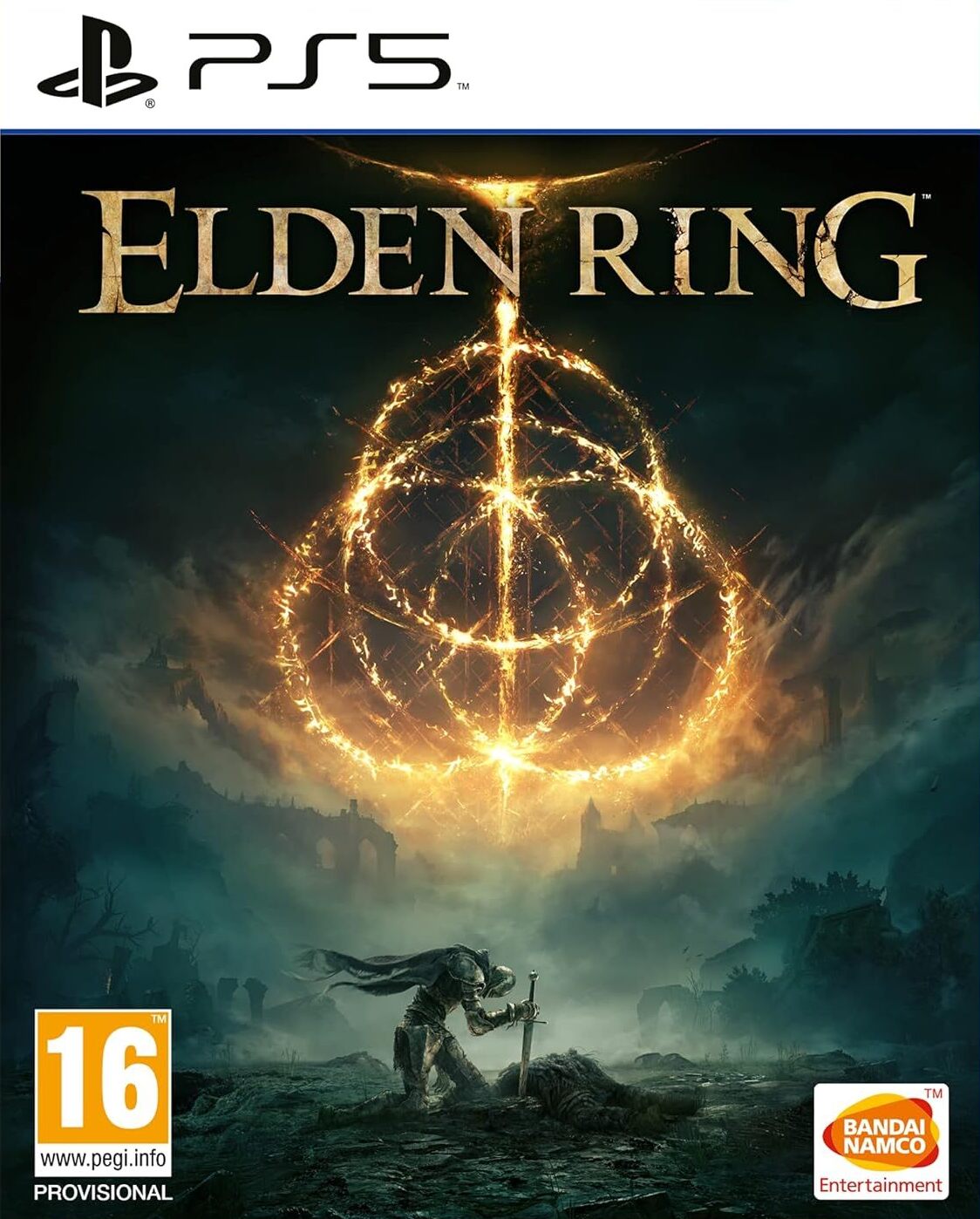
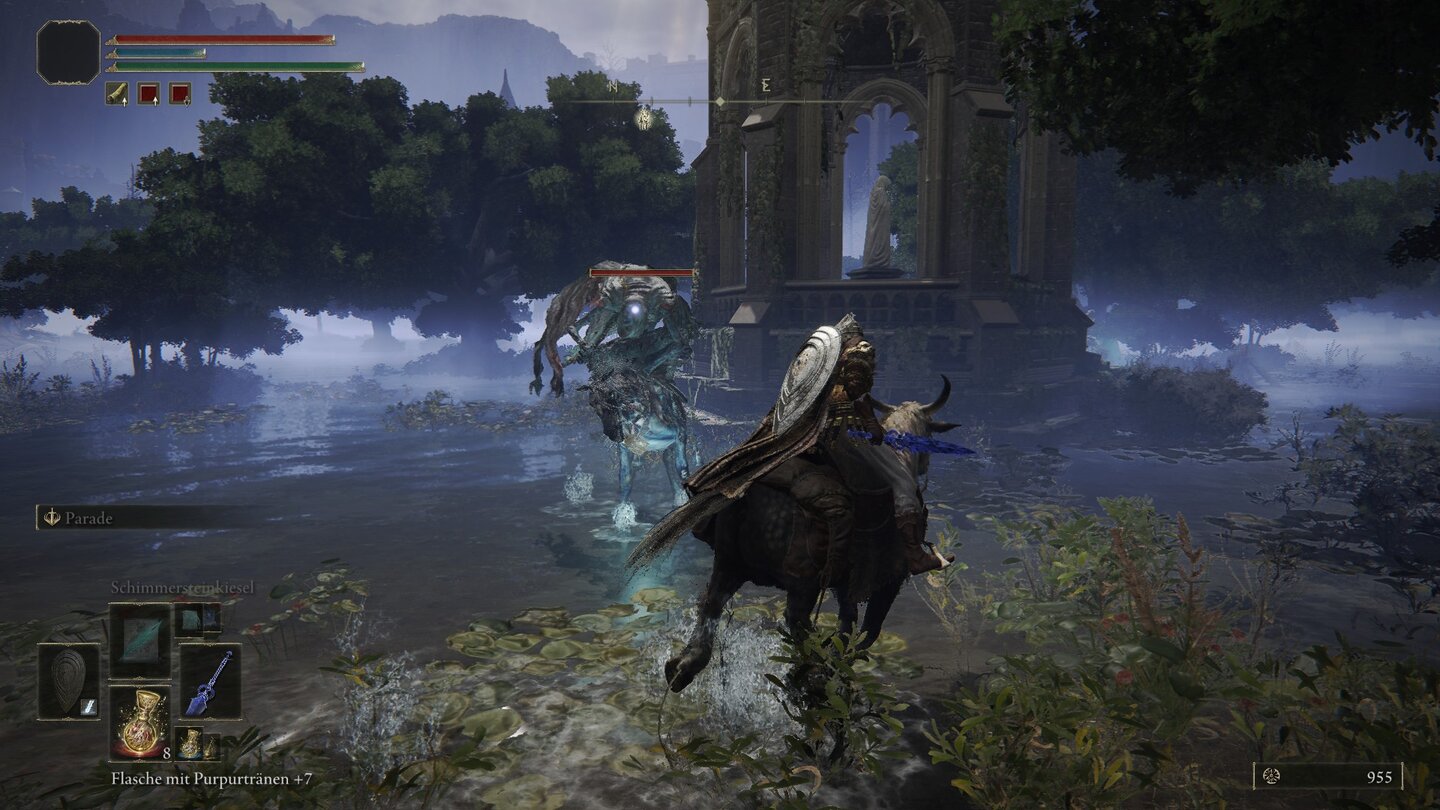
Elden Ring takes the Souls formula and lifts it into an open world without losing that feeling of precisely curated areas. The Lands Between isn’t just big – it’s full of little secrets, hidden catacombs, mini-bosses and side paths that often feel as carefully crafted as the main route. Where many open-world games fill the map with repetition, Elden Ring makes exploration the actual point.
What makes the game so easy to recommend is the combination of degree of freedom and margin for error. If a boss feels impossible you can literally ride off in another direction, find new weapons, level up, grab Ashes of War or Spirit Ashes and come back stronger. That means the game keeps FromSoft’s signature challenge – but lets you shape your own difficulty curve.
The build options are enormous: pure melee, disgusting bleed glass cannon, faith/arcane hybrids, heavy mages or dex-based spellblades – almost every archetype has support in weapons, talismans and Ashes. At the same time, pure knowledge is still rewarded: bosses have clear openings, status effects can be abused, and your positioning in the terrain often decides how much risk you take.
✅ Pros
- Enormous freedom – you choose your own path through the world.
- Massive build depth and lots of toys to experiment with.
- Both solo and co-op work very well.
- Bosses mix spectacle with genuinely interesting patterns.
⚠️ Cons
- Size + freedom can feel overwhelming at first.
- Some bosses are more aggressive and reactive than older Souls designs.
- Open world means pacing can sprawl if you chase everything.
Who is it for? Pretty much anyone curious about FromSoftware. Elden Ring is both an excellent starting point and an extremely deep “final boss game” for veterans – you set the bar yourself.
#2 Dark Souls (2011)
#2
Dark Souls (2011)
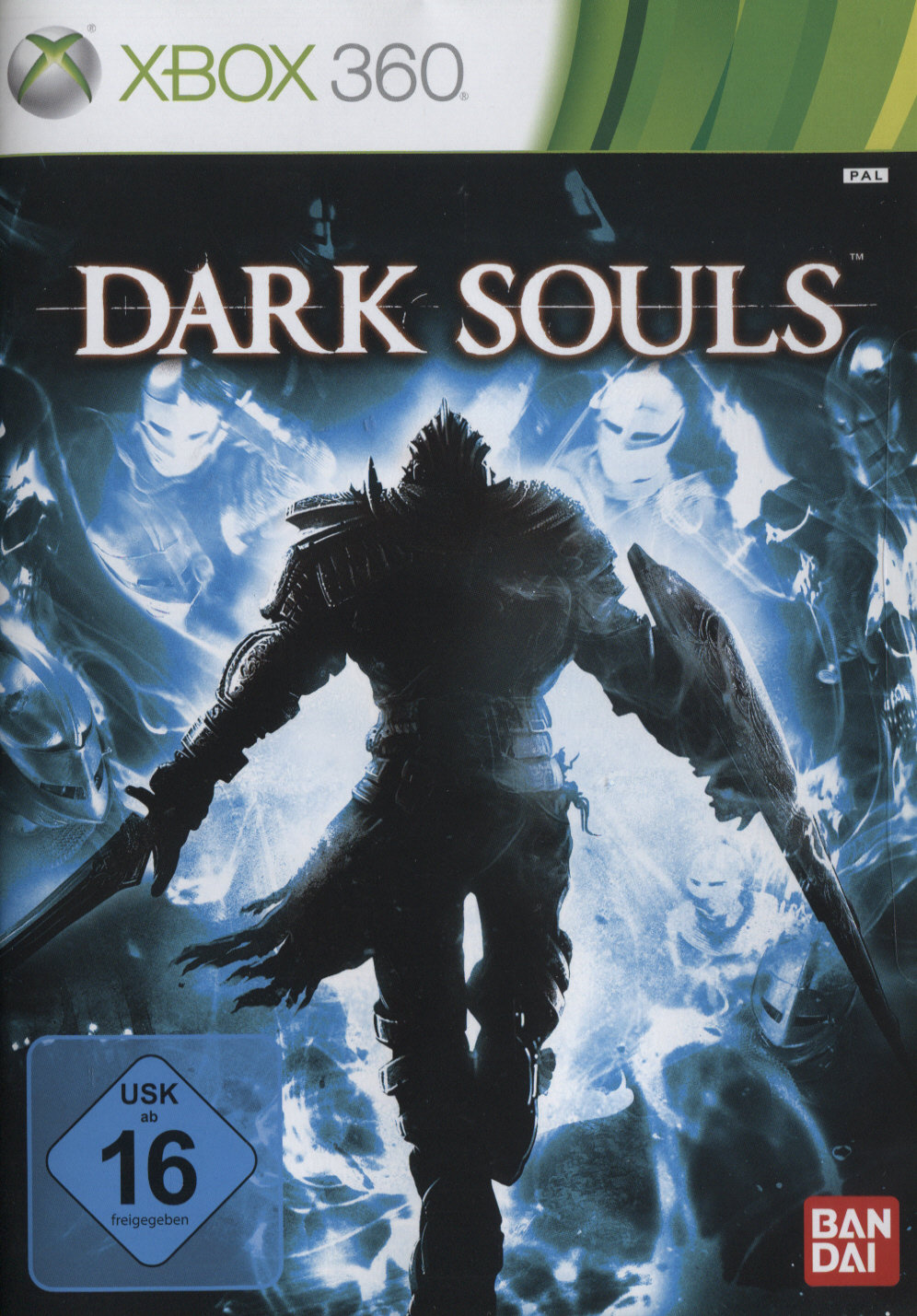
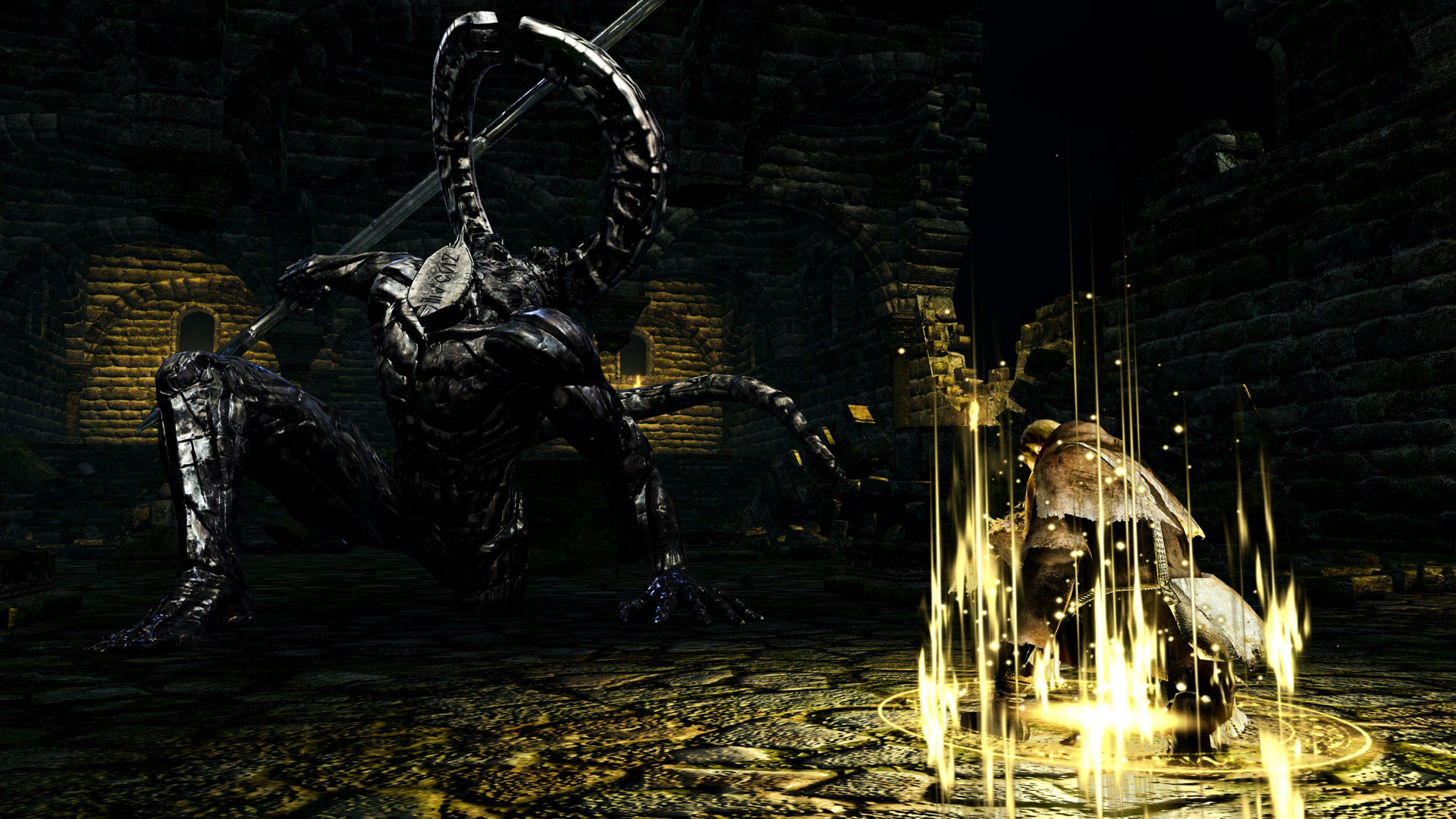
Dark Souls is the game that defined “Soulslike” as a concept. Lordran is a design miracle: a dense, vertical world where shortcuts link areas together in ways that still impress. From Firelink Shrine you reach elevators, tunnels and secret passages that slowly sketch out a mental map of the entire game. That sense that the world actually fits together is still unique.
Combat is heavier and slower than in later entries, but precisely because of that, extremely readable. Shield, roll, stamina – everything revolves around risk/reward. One extra swing can cost your life if you take it at the wrong time. Bosses range from technically brilliant duels to more gimmicky encounters, but the whole thing is held together by a constant feeling of vulnerability.
Technically, Dark Souls isn’t as polished as DS3 or Elden Ring, and some areas (especially near the end) are weaker. But the strength of the atmosphere, level design and sense of place make it still one of the most memorable games FromSoft has ever released.
✅ Pros
- One of the strongest worlds in game history, design-wise.
- Insanely good atmosphere and melancholic tone.
- The build system is simple but effective – lots of fun weapons.
- Works both solo and in co-op/invasion meta.
⚠️ Cons
- Technical age: some ports/PC versions need fixes/mods.
- Later areas don’t match the quality of the opening.
- Quite a lot of “run back to the boss” after death.
Who is it for? Anyone who wants pure Souls core and can live with some rough edges. Dark Souls is still a must-play, especially if you like the feeling of a tightly stitched-together world.
#3 Bloodborne (2015)
#3
Bloodborne (2015)
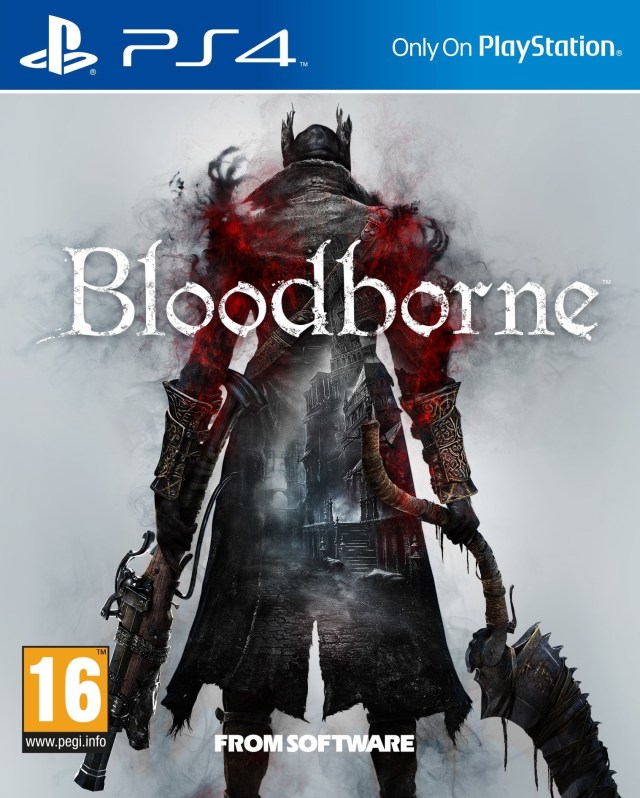
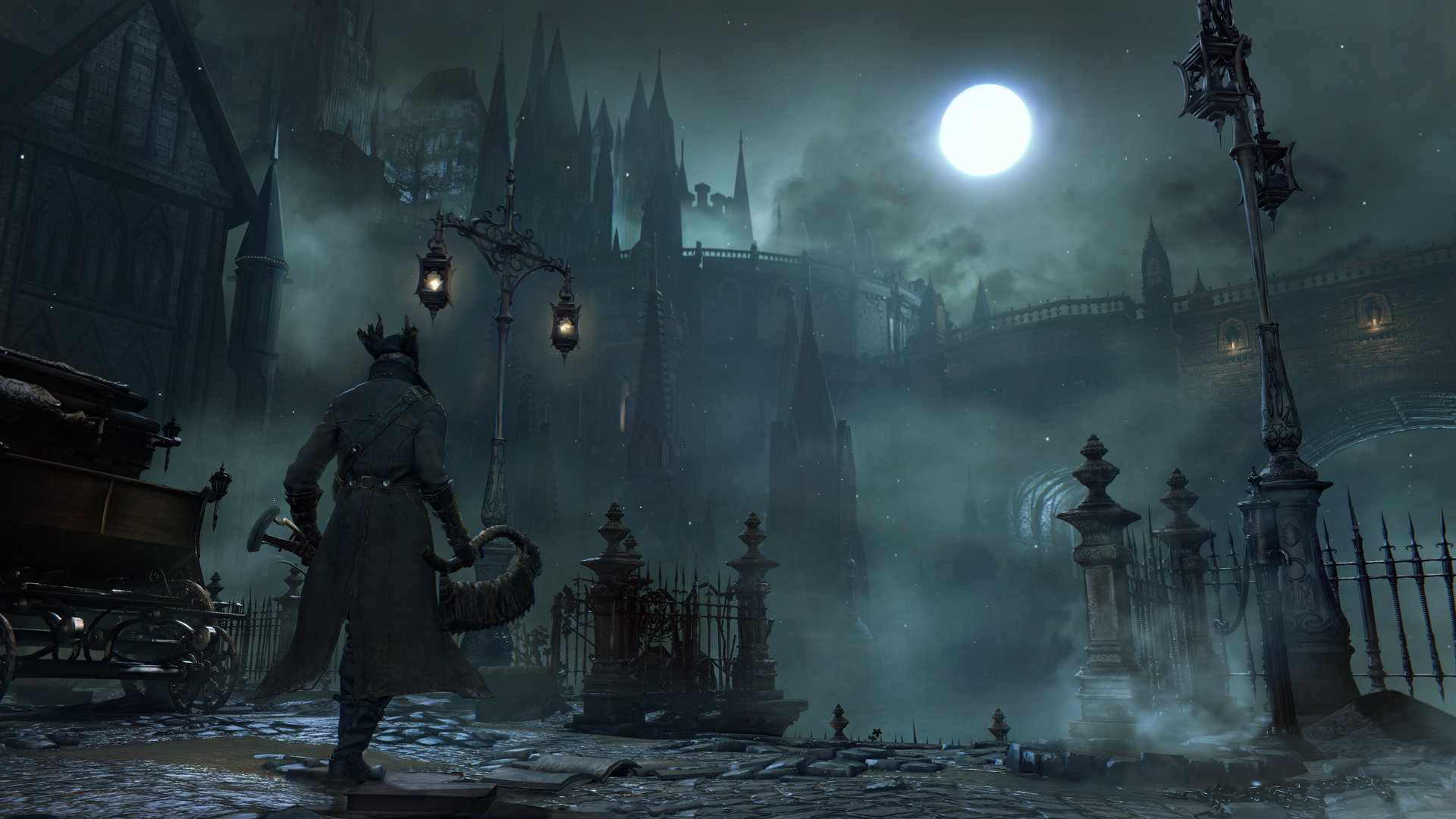
Bloodborne throws away the shield and says: attack or die. The rally system, where you earn back health by counter-attacking quickly after taking damage, creates a tempo that’s completely different from Dark Souls. Enemies are aggressive, but your weapons – trick weapons – are flexible and encourage risky, stylish play.
The aesthetics are an uncompromising mix of Victorian gothic and cosmic horror. Yharnam feels like a sick city on the brink of collapse, and the further into the game you get, the more the story slides into Lovecraftian nightmare. Lore threads are scattered across item descriptions and environmental details in classic FromSoft fashion, but the themes – blood, disease, cosmic gods – are so strong that you feel them even without reading a wiki.
The main limitation is technical (locked to 30 fps on PS4/PS5 backward compatibility) and the lack of build variety at the breadth of Elden Ring / DS3. But as a pure experience, Bloodborne is still one of FromSoft’s most focused masterpieces.
✅ Pros
- Incredible mood and visual identity.
- Offensive, responsive combat system.
- Bosses that are both spectacular and brutally memorable.
- Chalice Dungeons add extra content for die-hards.
⚠️ Cons
- PlayStation-only, with no official 60 fps version.
- Less build variety than in Elden Ring/DS3.
- Can feel harsh for players who prefer more defensive play.
Who is it for? Anyone who loves horror and wants a Souls game that forces you to play aggressively. Bloodborne is a favourite for many – for good reason.
#4 Sekiro: Shadows Die Twice (2019)
#4
Sekiro: Shadows Die Twice (2019)
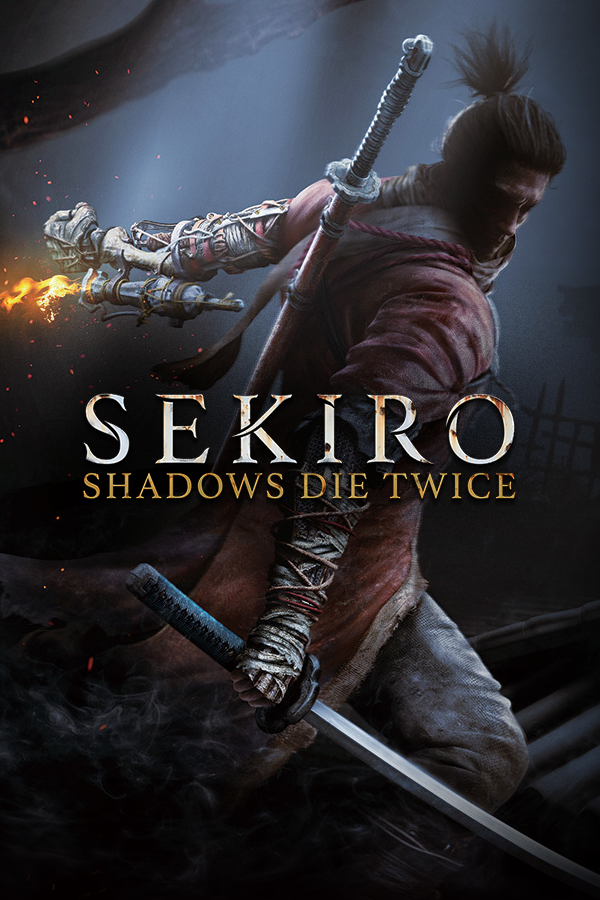
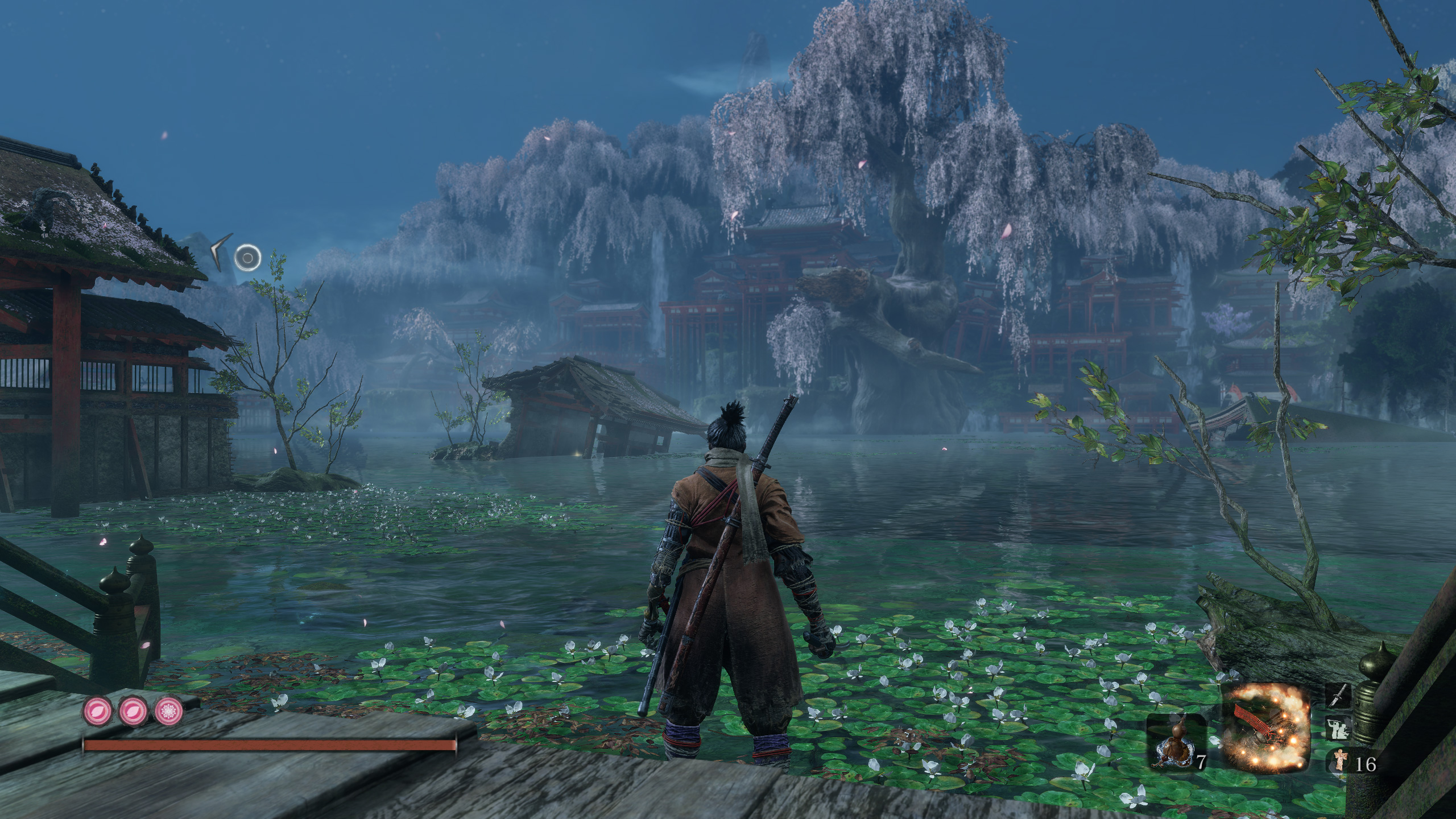
Sekiro is FromSoft stripping away almost all RPG elements and focusing on timing. There’s essentially only one “build” – Wolf with his sword – but the depth lies in how you learn to read patterns, use deflects, jumps, mikiri counters and prosthetic tools. Fights that first feel impossible gradually turn into dance-like sequences where you parry entire combos on muscle memory.
The posture system means you don’t win by just chip-damaging the enemy’s HP – you’re supposed to break their guard. That creates a tempo where you push rather than wait, but where the smallest mis-input is felt instantly. Once you learn the language of Sekiro’s combat system, the feeling is hard to replace with anything else.
The downside is obvious: if you struggle with parry windows or reading animations, Sekiro is brutal. There are no summons to hide behind, no level grind that solves everything. But for players who want a game where every victory feels earned, this is gold.
✅ Pros
- Some of the best boss duels FromSoft has ever made.
- Extremely responsive combat system.
- Interesting semi-open world with verticality via grappling hook.
- Clear, focused story compared to other games on this list.
⚠️ Cons
- Very high difficulty bar with no “safety net”.
- Almost no build variation – if you don’t like sword duels, you’re out of luck.
- No co-op at all; this is a pure single-player game.
Who is it for? Players who love the feeling of mastering a system 100%. Sekiro is less an RPG and more a combat training camp – in the best (and worst) way.
#5 Dark Souls III (2016)
#5
Dark Souls III (2016)
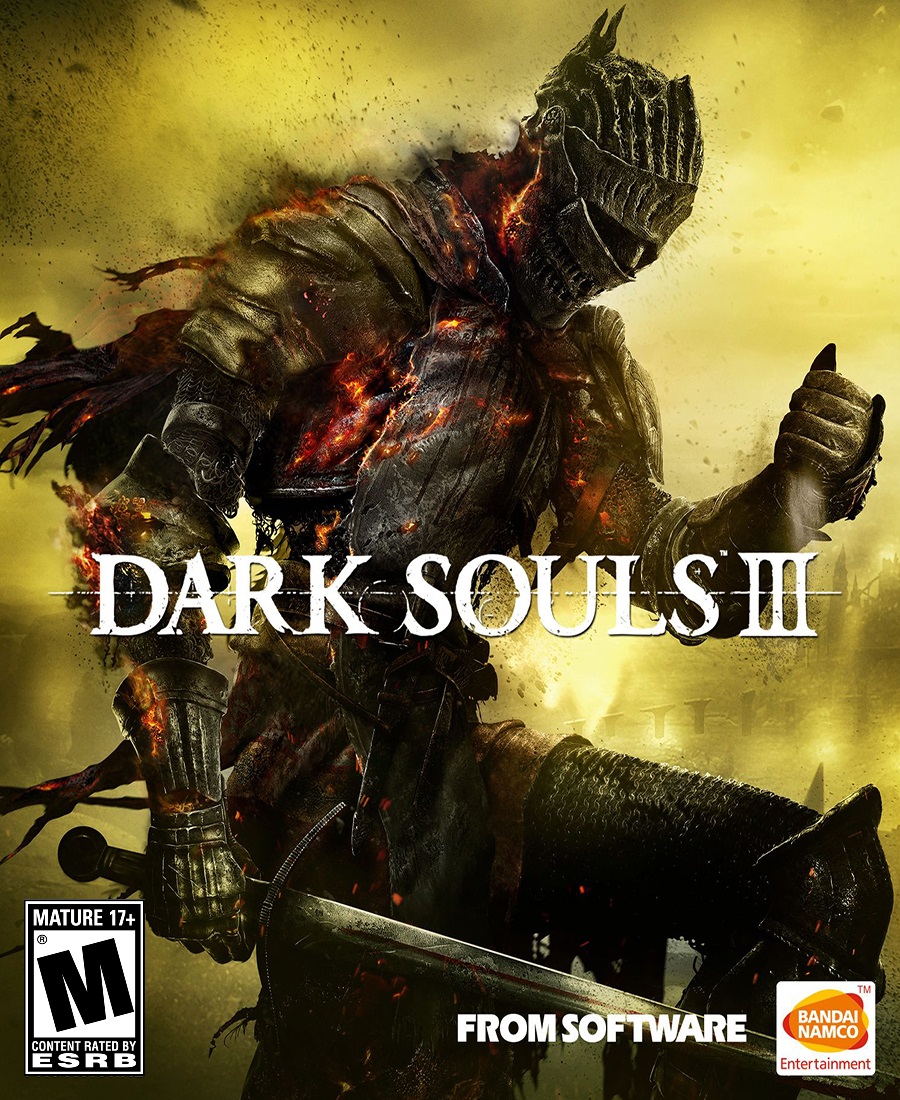
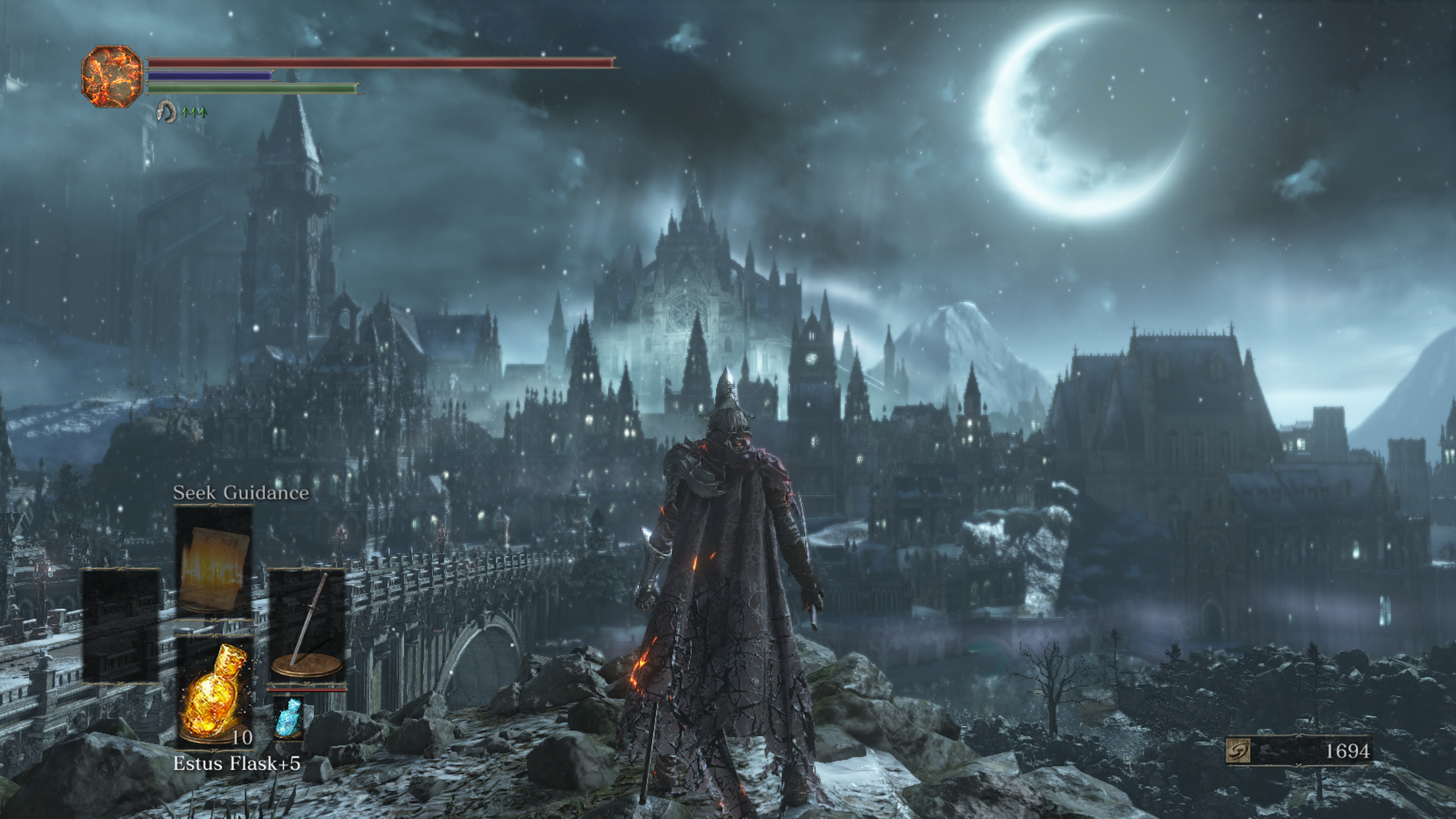
Dark Souls III is in many ways the culmination of the classic Souls trilogy. The tempo is raised, animations are more responsive and the arsenal of weapons is huge. The world is less tightly interconnected than in the first game, but the individual areas are generally of very high quality – from ashen Lothric to gothic Irithyll and the insane DLC zones.
The boss line-up is among the series’ strongest: Abyss Watchers, Twin Princes, Sister Friede, Slave Knight Gael – the list of fights that are stylish, mechanically interesting and thematically loaded is long. This is also the game where co-op, PvP and “meta builds” really shine – you can experiment for ages with different weapon scalings, spells and ring combinations.
On the minus side, there’s a certain sense of recycling: many themes and areas are deliberately nostalgic callbacks to earlier games. If this is your first Souls you’ll barely notice, but as a veteran you may feel DS3 sometimes plays it a bit safe. That doesn’t stop it from being one of the easiest entries to recommend today.
✅ Pros
- Super smooth combat with high tempo.
- Large, fun library of weapons and spells.
- Especially the DLCs are on an extremely high level.
- Very good for both solo play and co-op/PvP.
⚠️ Cons
- Somewhat more linear than Dark Souls.
- A lot of “fan service” that loses impact if you haven’t played the first game.
- Some areas are visually dark to the point of being hard to read.
Who is it for? Players who want a Souls game that feels modern straight away on the pad: fast, fluid and with plenty of builds to tinker with.
#6 Demon’s Souls (2009)
#6
Demon’s Souls (2009)
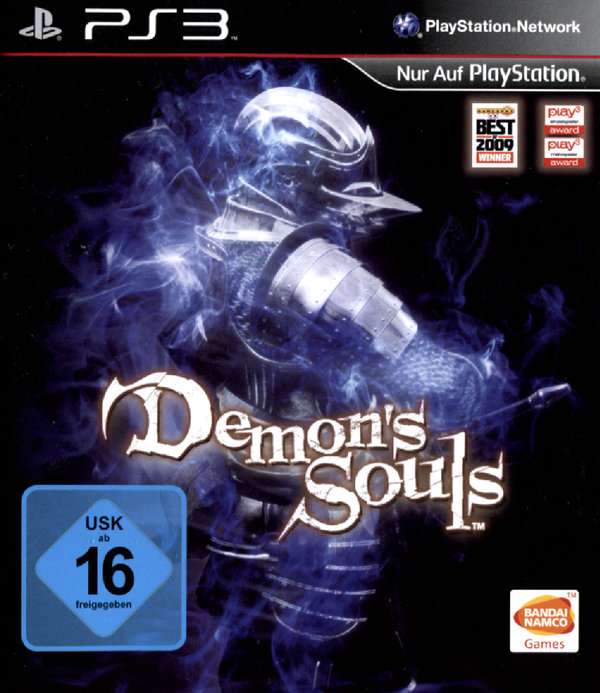
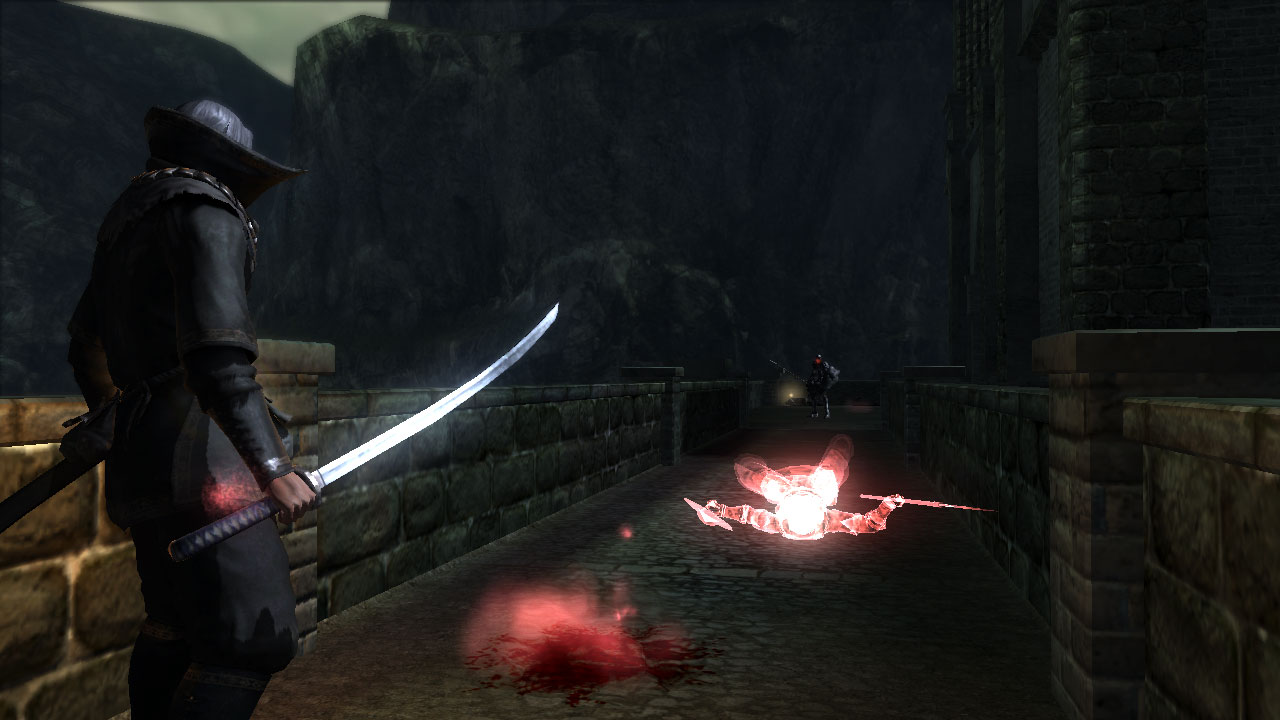
Demon’s Souls is the game where much of the Souls DNA is born: the Nexus hub, world tendency, invasion systems, cryptic NPC questlines. Unlike later games, the world is split into five larger areas you jump between via archstones, giving it a more modular feel – more like five mini-games than a single interwoven world.
The game is rougher than Dark Souls, both technically and in terms of design, but still offers some fantastic bosses and areas. Tower of Latria is still a textbook example of how to build oppressive, unnerving atmosphere without cheap tricks.
The problem in 2026 is accessibility: the original is locked to PS3, and even if the remake (see #9) gets the job done technically, some balance and tonal changes have crept in. If you want to understand where it all started, the original is still worth a visit – but expect some friction.
✅ Pros
- Gives a unique look at the Souls formula before it was “standardised”.
- Some areas (Latria!) are still top tier.
- Interesting systems like world tendency and soul form.
⚠️ Cons
- PS3-only, and the tech is clearly dated.
- Some bosses and areas feel like prototypes.
- Explains almost nothing – expect to need a wiki or a lot of experimenting.
Who is it for? Players who already love Souls and want to see the ur-form, and who don’t mind some clunkiness along the way.
#7 Armored Core VI: Fires of Rubicon (2023)
#7
Armored Core VI: Fires of Rubicon (2023)
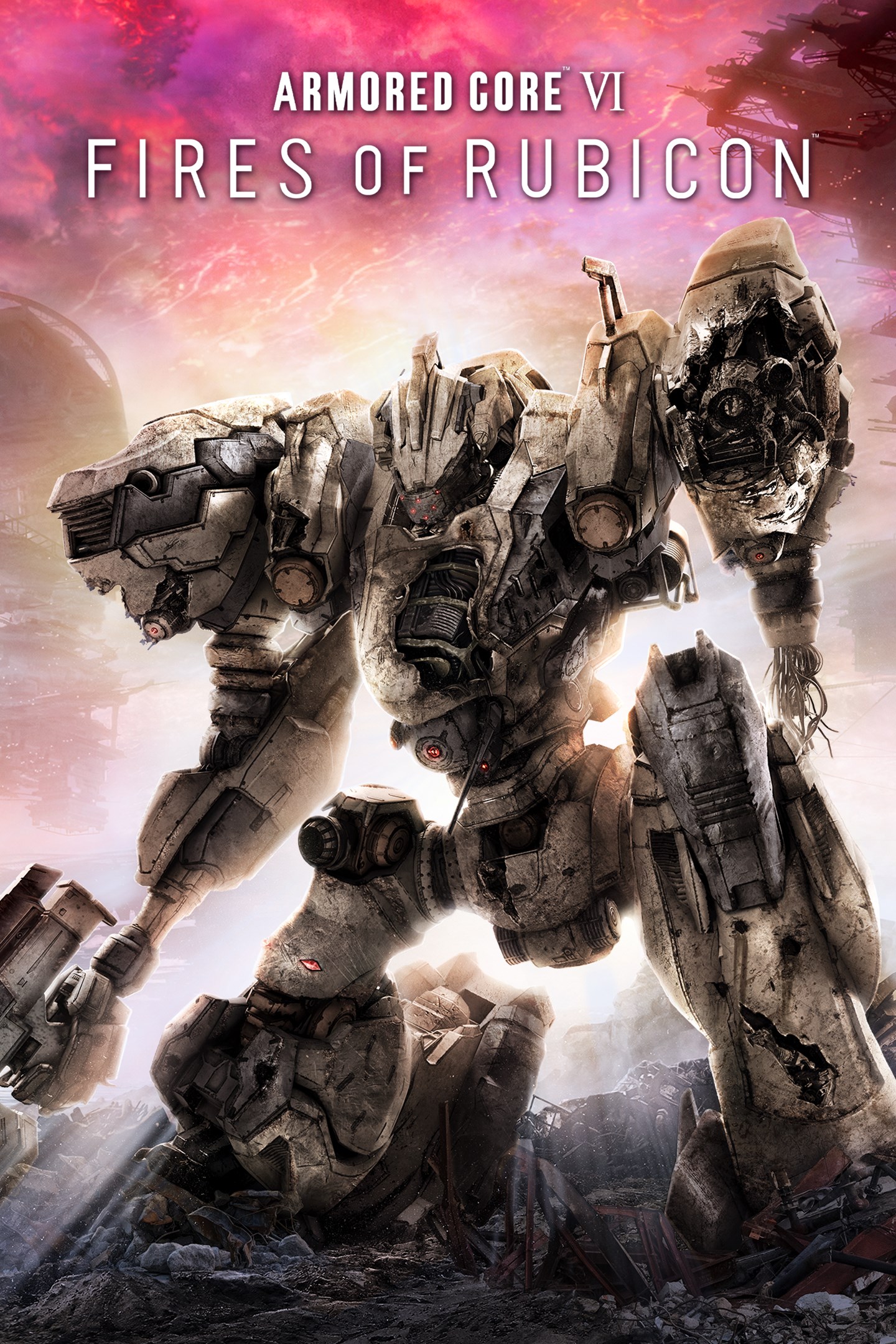
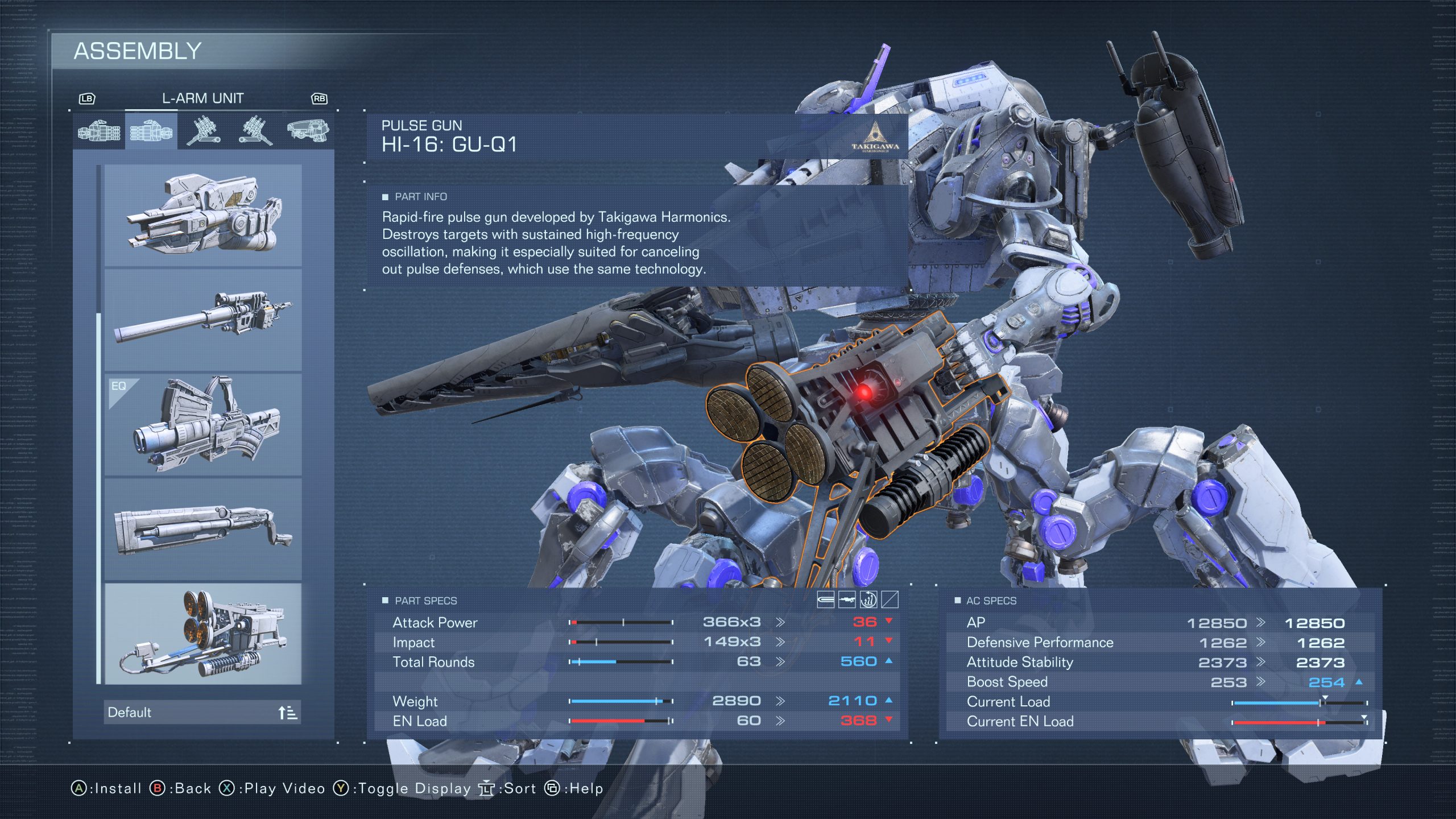
Armored Core VI is officially a mecha action game, but the spirit is classic FromSoft: tricky bosses, readable attack design and plenty of room to tweak your setup. The difference is that “builds” here means mech configuration – legs, weapons, thrusters, generators and more. Tweaking your rig until it just barely clears a boss feels very similar to tuning a Souls character for a specific fight.
The mission structure makes it easier to play in shorter sessions compared to Elden Ring’s open world or long Souls dungeons. At the same time, AC6 contains some of the most demanding bosses FromSoft has released – especially if you’re chasing the true ending and replaying with different mission choices.
✅ Pros
- Incredibly tight, fast combat.
- Deep mech customisation that really shows in gameplay.
- Mission structure suits players who don’t want a huge open world.
⚠️ Cons
- Less focus on exploration and classic “Souls world”.
- The mech build menus can feel overwhelming at first.
- The story is quite cryptic if you don’t actively follow it.
Who is it for? Players who like FromSoft boss design but want something more arcade-flavoured and mission-based, with mechs instead of knights.
#8 Dark Souls II (2014)
#8
Dark Souls II (2014)
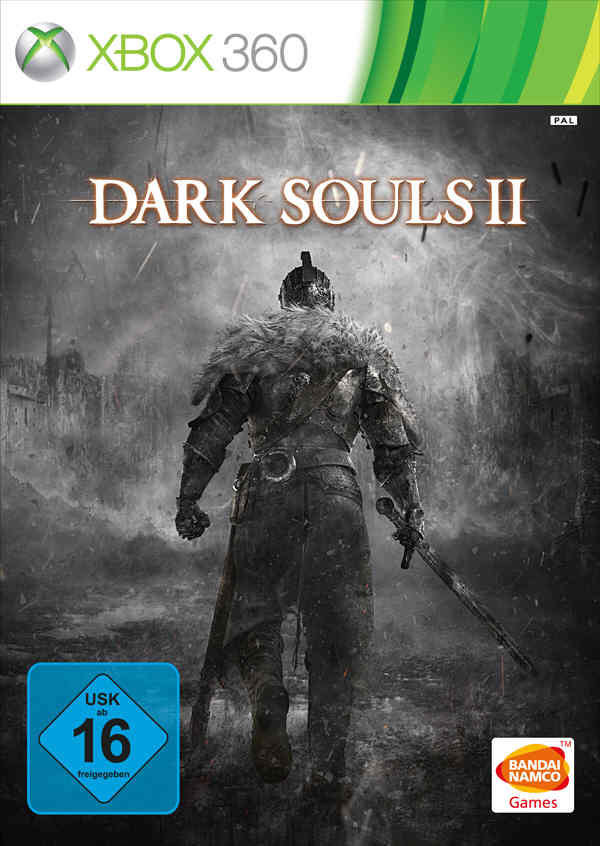
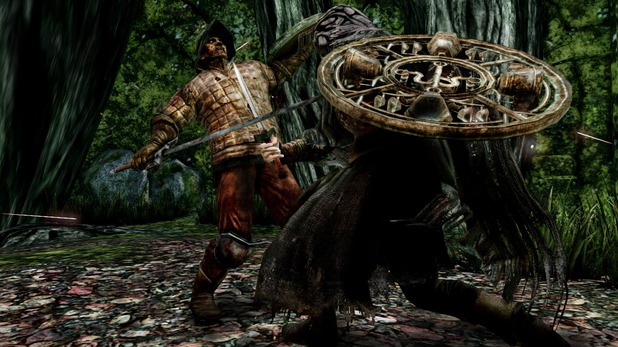
Dark Souls II is the antithesis of the first game in many ways: more spread-out world, more but less consistent bosses, strange design choices around hitboxes and roll i-frames (tied to the Adaptability stat). Yet it’s a game many people return to because it offers so much variation in builds, areas and odd ideas.
Majula, the sun-bleached hub, is one of the series’ most memorable locations. The DLC areas also raise the bar significantly – especially if you play the Scholar of the First Sin edition where enemy placements have been mixed up. But you also get some of the series’ less inspired bosses and a story that feels more fragmented.
✅ Pros
- A huge amount of content and many bosses.
- Lots of room for unusual builds and experimentation.
- The DLCs are generally of high quality.
⚠️ Cons
- Uneven quality across bosses and areas.
- Mechanical quirks (Adaptability etc.) can feel strange.
- Less cohesive world design than the first game.
Who is it for? Players who have already done DS1/3 and Elden Ring and want to see the Souls formula in a more experimental, weird form – with both highs and lows.
#9 Demon’s Souls (remake, 2020)
#9
Demon’s Souls (remake, 2020)
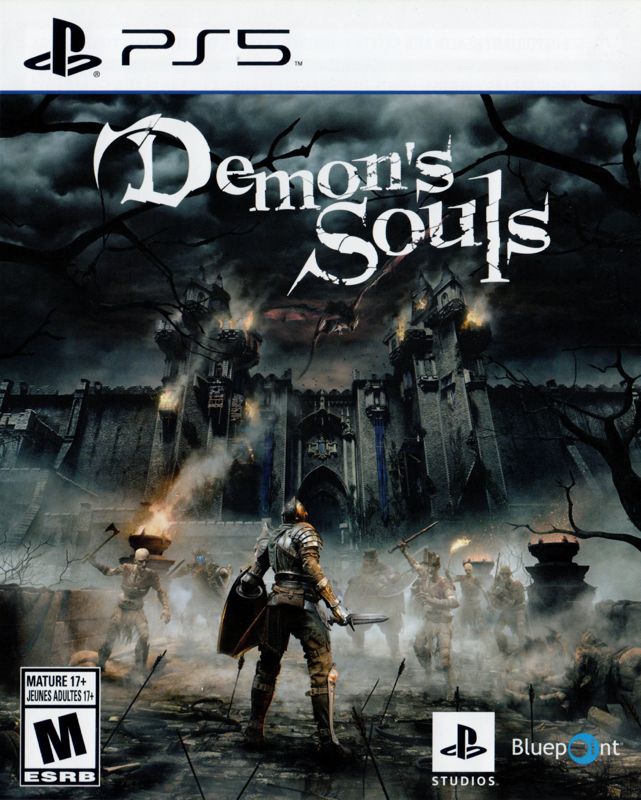
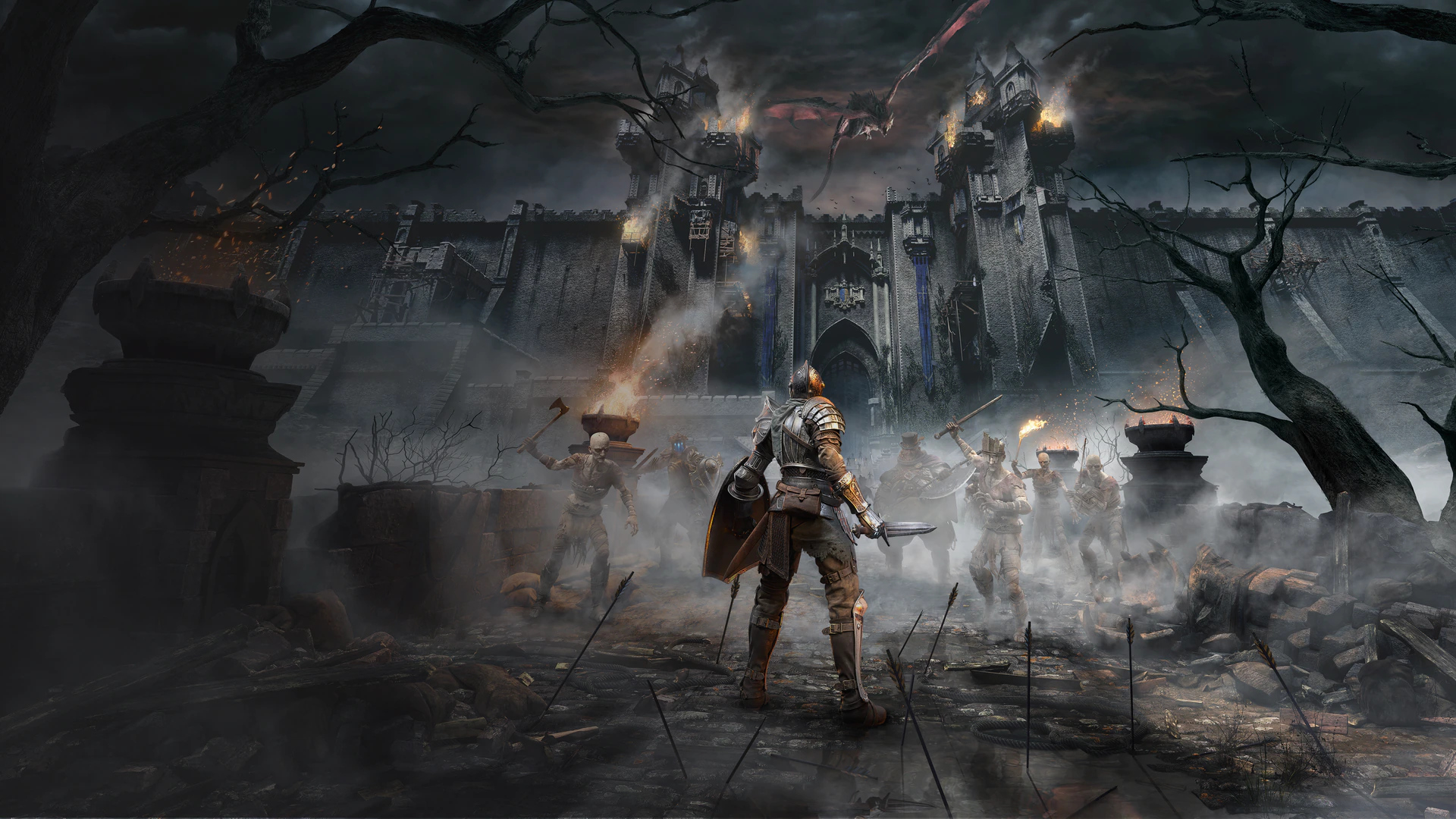
Bluepoint’s remake of Demon’s Souls is a faithful but sometimes debated take on the original. Layout, enemy placement and boss mechanics are largely the same, but the presentation is massively upgraded: lighting, materials, particles and animations make Boletaria one of the prettiest Souls areas ever.
For new players, this is undeniably the most practical way into Demon’s Souls. For veterans, some aesthetic choices (audio, design changes for some enemies, new effects) can feel like a step away from the raw, dreamlike tone of the PS3 version. But as a play experience the remake still delivers the same modular structure and mechanical core.
✅ Pros
- Fantastic graphics and technical presentation.
- Retains almost all design decisions from the original.
- Perfect for appreciating Demon’s Souls without hunting down a PS3.
⚠️ Cons
- Some tonal changes compared to the original.
- The structure feels older than Elden Ring/DS3.
- Exclusive to PS5.
Who is it for? PS5 owners who want to play Souls history in a very pretty package, without digging out old hardware.
#10 King’s Field IV: The Ancient City (2001)
#10
King’s Field IV: The Ancient City (2001)
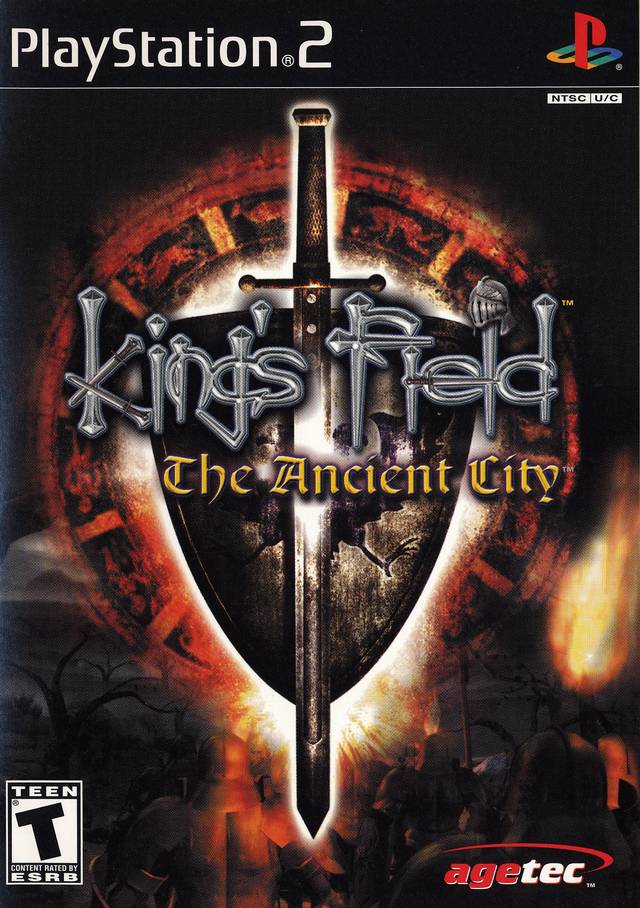
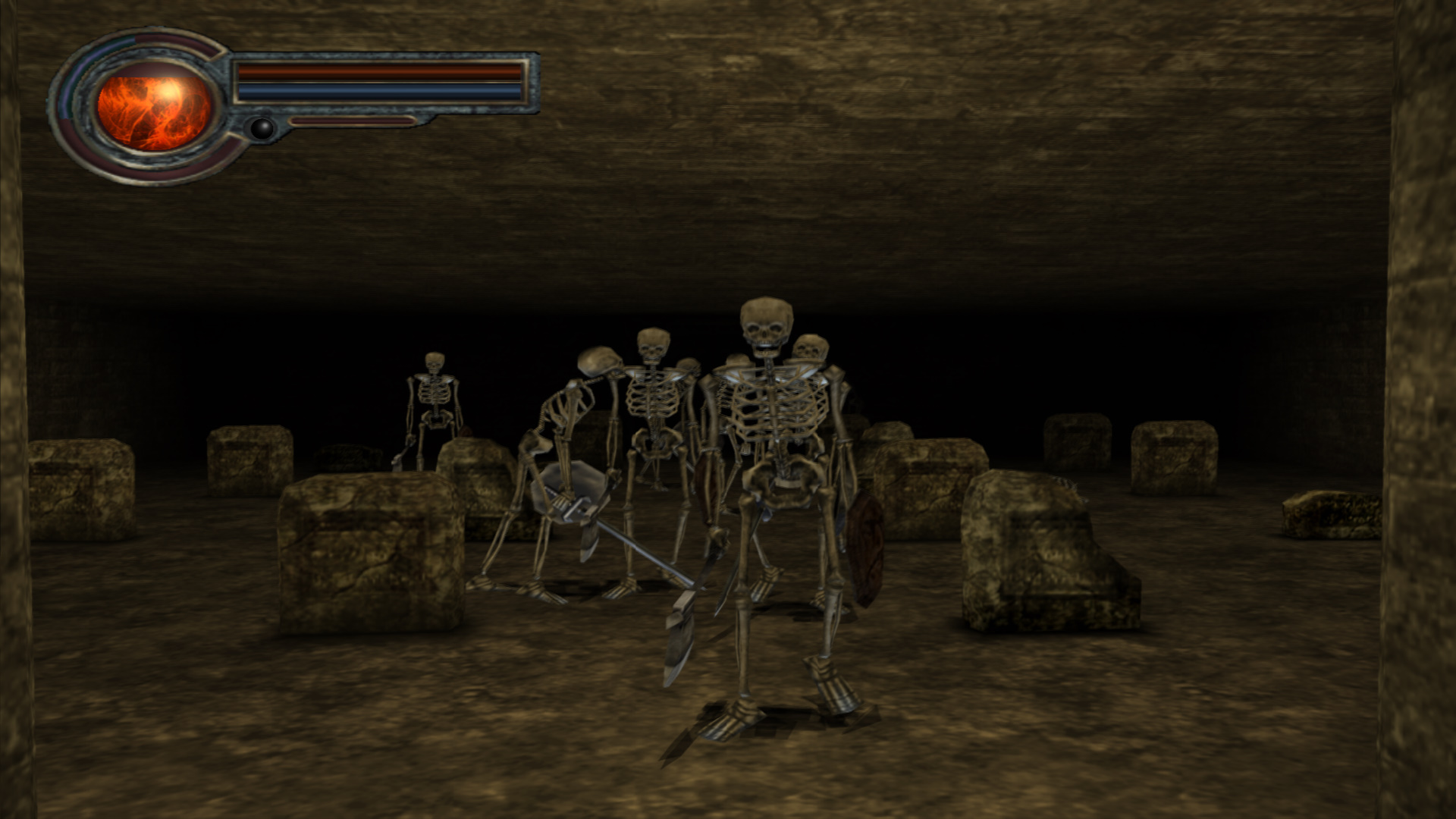
King’s Field IV is far from Elden Ring’s bombastic bosses – this is slow, first-person dungeon crawling on PlayStation 2. But a lot of FromSoft’s DNA is already here: labyrinthine levels, minimal guidance, hidden lore and a mood that’s more unsettling than outright scary.
Combat is slow and clunky by modern standards, and the control scheme needs some getting used to. But if you accept it as a historical document – rather than expecting modern action – you get a fascinating look at how FromSoftware was already experimenting with the kind of “melancholic fantasy” that would become standard in the Souls era.
✅ Pros
- Exciting for players who love digging into a studio’s history.
- Dungeon design is genuinely interesting even today.
- Strong, understated atmosphere.
⚠️ Cons
- Very dated controls and graphics.
- Hard to obtain and play comfortably in a legal way.
- Almost zero onboarding – you’re completely on your own.
Who is it for? Players who have already cleared all modern FromSoft content and want to dig further back in the catalogue, fully accepting that this is a game from another era.
Which FromSoftware game should you start with?
If you’re completely new to the FromSoft swamp, the quick recommendation is:
- Want freedom + modern QoL: start with Elden Ring.
- Want “classic Souls” feel: start with Dark Souls or Dark Souls III.
- Want horror and aggressive pacing: Bloodborne if you have a PlayStation.
- Want pure mechanical challenge: Sekiro.
- Already converted and want to nerd out on history: Demon’s Souls (PS3 or PS5) and King’s Field IV.